
-
LatestThe best Filtercoffee machine of 2026
-
 KitchenAid 5KCM1209EOB Programmable 12-cup brewer for effortless everyday coffee.
-
 Philips Gaia HD7547/80 Straightforward batch brewing with a practical thermal carafe
-
 Moccamaster KBG Select Durable, simple filter brewing for consistently balanced coffee.
-
 Krups Grind en Brew KM8328 Programmable whole-bean coffee maker for fresh, convenient pots.
-
 Moccamaster KBGT Premium filter coffee maker with a thermal carafe and simple operation.
-
 Philips HD7900/01 Fresh-ground filter coffee with flexible dual-bean brewing.
-
-
LatestThe best Espresso machine of 2026
-
 SMEG ECF02BLEU Compact retro espresso maker offers hands-on home brewing.
-
 SMEG EGF03BLEU Hands-on espresso control in a stylish all-in-one machine
-
 De’Longhi Linea Classic Approachable manual espresso for compact, hands-on home coffee.
-
 De'Longhi La Specialista Maestro Guided espresso control with built-in grinding and tamping.
-
 Breville The Barista Express Impress Guided fresh-ground espresso with less guesswork at home
-
 Philips Barista Brew PSA3228/01 Hands-on espresso control with an integrated grinder
-
-
LatestThe best Espresso machine of 2026
-
 Gaggia Cadorna Prestige Home café experience with customizable espresso and frothing.
-
 Philips Cafe Aromis 8000 Serie Experience café-quality espresso at home effortlessly.
-
 De'Longhi PrimaDonna Soul ECAM 610.75.MB High-end espresso machine for perfect home brews.
-
 Ninja Luxe Café Pro Espresso ES701 Guided all-in-one coffee for hot and cold drinks.
-
 KitchenAid KF8 5KES8558EBK One-touch café drinks, customizable profiles, effortless milk frothing
-
 Smeg BCC12BLMUS Compact bean-to-cup coffee with convenient one-touch drinks and retro styling.
-
-
LatestThe best Pad- and cupmachine of 2026
-
 De'Longhi Nespresso ENV 150.R Vertuo Café-quality coffee at home, effortlessly brewed.
-
 Lavazza BLUE Classy Mini Compact capsule machine for quick, convenient espresso.
-
 Krups Nespresso CitiZ Compact capsule brewer for quick espresso and lungo
-
 De'Longhi Nespresso Lattissima One Compact capsule machine makes effortless, single-serve milk coffees.
-
 De'Longhi Nespresso Vertuo Pop Compact capsule brewer, five sizes, effortless brewing.
-
 Breville Nespresso Creatista Plus SNE800BSS Capsule espresso convenience meets customizable café-style milk drinks.
-
-
LatestThe best Pad- and cupmachine of 2026
-
 Philips Senseo Original Plus Easy pod brewing for quick, mellow everyday coffee.
-
 Philips Senseo Maestro CSA260/50 Easy coffee-pad brewing, three strengths, and two-cup option.
-
 Philips Senseo Switch Flexible pod and filter brewing for every household.
-
 Philips Senseo Select Simple pod coffee with customizable strength for everyday convenience.
-
-
LatestThe best Pad- and cupmachine of 2026
-
 Krups Dolce Gusto Genio S Plus Compact pod machine makes customizable café-style drinks effortlessly.
-
 Krups Dolce Gusto Piccolo XS Compact capsule machine for varied, manually brewed drinks
-
 Krups Dolce Gusto MiniMe Compact capsule machine for convenient, varied drinks.
-
 Krups Dolce Gusto Infinissima Touch Versatile capsule drinks with simple touchscreen convenience.
-
-
LatestThe best Pad- and cupmachine of 2026
-
 Keurig K-Duo Plus Flexible pod-and-carafe brewing for varied household coffee routines.
-
 Keurig K-Supreme Quick, flexible single-serve coffee with richer pod brewing.
-
 Keurig K-Duo Hot & Iced One brewer for quick cups and full carafes.
-
 Ninja Pods & Grounds Versatile single-serve brewer for capsules or fresh coffee.
-
 Keurig K-Slim Compact single-serve brewer for quick, convenient coffee.
-
 Keurig K-Express Compact pod brewer delivers quick, customizable single cups.
-
De'Longhi La Specialista Maestro review
De’Longhi La Specialista Maestro review: espresso quality, milk frothing, ease of use, cleaning, pros, cons and value of this bean-to-cup machine.
check best price


 2025-04-22
- By Lotte van Eecken
Summary / TL;DR

The De’Longhi La Specialista Maestro combines a built-in grinder, assisted tamping and manual espresso controls in one substantial countertop machine. Its 15 grind settings, pressure gauge and pre-infusion offer room to adjust shots, while the manual steam wand provides control over milk texture for drinks such as lattes and cappuccinos.
The guided workflow may suit beginners who want to learn espresso without buying separate equipment, though dialing in shots and steaming milk take practice. Cleaning is manageable, but grounds can collect around the tamping area, and the wand needs prompt cleaning after use. At about 16 kg, it also takes up considerable counter space. Its cost is easier to justify for frequent coffee drinkers who value hands-on control than for those seeking quick, one-touch drinks.
If you like this review, you might also like our review on the De'Longhi Magnifica Start or De'Longhi Stilosa Manual Espresso Machine EC260 or De'Longhi La Specialista Arte Evo EC9255.
Where to buy
 Best offers of the De'Longhi La Specialista Maestro at Amazon.com
Want to help us grow? When you purchase items through the above links we receive a small commission.
Introduction
The De’Longhi La Specialista Maestro is a bean-to-cup espresso machine for people who want more control than a one-touch coffee maker offers, but don’t fancy assembling a full home barista setup from separate pieces. It combines espresso-making tools in one countertop machine and gives you room to adjust your routine as your taste changes.
That makes it a tempting fit for a household with mixed habits: one person might want a quick morning espresso, while someone else prefers a milk-based drink on the weekend. The trade-off is that this is a substantial investment, and its extra controls make more sense for curious coffee drinkers than for anyone who simply wants to press a button and walk away. In this review, I’ll look at whether its flexibility earns the space and price it asks for.
Related reviews
-

-
 Philips Cafe Aromis 8000 SerieEspresso machines
-

What's in the Box
Inside the box, you get the main machine plus the key accessories needed to start making espresso: a portafilter, filter baskets, a milk jug, a water hardness test strip, and basic cleaning tools. De’Longhi also includes descaling solution and a water filter in many packages, though accessories can vary by region, so check the listing for your exact model.
- Portafilter and filter baskets: The baskets let you prepare single or double shots. Some versions include both pressurized and non-pressurized baskets; the pressurized type is more forgiving if your coffee grind isn’t quite right.
- Milk jug: Handy for steaming milk for a cappuccino or latte, and sized for everyday portions rather than a large batch.
- Cleaning brush and cleaning tools: Useful for clearing stray grounds from the grinder area and keeping the coffee outlet tidy.
- Water test strip and filter: The strip helps you set the machine for your tap water, while the filter can reduce limescale buildup.
- Descaler: A starter supply means you can handle the first maintenance cycle without buying a bottle straight away.
There’s no need to buy a separate grinder or tamper to get started: the grinder is built into the machine, and the tamping system is integrated too. The box doesn’t usually include coffee beans, though, so have a bag ready before the first brew.
Design and Build Quality
The De’Longhi La Specialista Maestro has the substantial look of a traditional espresso machine, with a stainless-steel finish, a large front-mounted pressure gauge and prominent metal-look controls. At around 37 cm wide, 47 cm deep and 42 cm tall, it takes up a fair stretch of counter space. Check the depth before buying: on a shallow worktop, the machine can sit close to the edge, especially with room needed to reach around the sides.
Its roughly 16 kg weight helps it feel planted during everyday use. That’s useful when fitting or removing the portafilter; the machine is less likely to scoot across the counter with it. The stainless-steel exterior gives the Maestro a polished, premium appearance, though it also shows fingerprints and water spots more readily than a matte finish. A quick wipe keeps the front looking tidy.
Countertop fit and everyday details
The layout puts the main controls and gauge at the front, where they’re easy to see without leaning over the machine. The cup-warming surface on top makes use of the otherwise bulky upper section, but check the clearance beneath your cabinets before setting it in place. In a tight kitchen, even a few extra centimetres can make access awkward.
Overall, this is a large, weighty stainless-steel espresso machine that looks at home on a permanent coffee station. Its size and shiny surfaces ask for a little extra counter space and wiping, but the solid stance and neatly arranged front give it a more substantial feel than a compact entry-level machine.
Setup and Ease of Use
The first setup takes a little longer than plugging in a pod machine, but the steps are straightforward. Fill the removable water tank, add beans to the hopper, then follow the startup instructions to rinse the machine and prepare it for use. A water-hardness test strip helps you set the right level for your tap water, which matters because the machine uses that setting to track when descaling is due.
A guided routine, with a few manual steps
The De'Longhi La Specialista Maestro keeps the main controls in view, so you don’t need to dig through a touchscreen menu just to make a coffee. You still have to choose a drink and adjust settings yourself, but the layout is fairly easy to learn. On an early morning, for example, it helps that the portafilter, grinder controls and brew buttons sit together in one workflow rather than sending you back and forth around the machine.
Its built-in Smart Tamping Station also makes the daily routine less fiddly. You place the portafilter in position and use the lever to tamp the coffee, instead of moving to a separate tamper and trying to press evenly on the counter. That’s useful for beginners who are still getting a feel for a level tamp, though there are still a few choices to learn before each shot, including the grind and dose adjustments.
Give yourself a short practice run before serving guests. The first couple of attempts are best spent getting used to the controls and keeping a cloth nearby for stray grounds or drips. Once the sequence clicks, making an espresso feels like a repeatable routine rather than a string of guesswork.
Grinding and Espresso Performance
The built-in grinder gives the De’Longhi La Specialista Maestro enough range to dial in everyday espresso, with 15 grind settings to adjust for different beans and roast levels. A finer setting generally slows the shot; a coarser one lets water pass through faster. That makes small changes useful: a shot that runs thin and sharp may need a finer grind, while a bitter, slow drip can be a sign to go coarser.
Its Sensor Grinding Technology helps keep the coffee dose consistent, and the pressure gauge gives you a visual cue while brewing. These features make it easier to spot when an adjustment has changed the extraction, though they don’t replace tasting the espresso. For example, a fresh medium roast may need a slightly finer setting than an older bag of the same coffee because fresher beans release more gas and can slow the flow.
The machine also uses dynamic pre-infusion, which wets the coffee puck before full extraction. This can help water spread more evenly through the grounds and reduce the chance of a fast, uneven shot. The grind settings are still fairly broad compared with a separate high-end espresso grinder, so very precise dialing-in may take a little trial and error.
One useful detail: the pump is rated at 19 bar, but that figure is its maximum pressure, not a promise that espresso extracts at 19 bar. The pressure at the coffee puck is what matters for the shot, and the gauge offers a rough visual reference rather than a full measurement of extraction quality. Overall, the Maestro makes fresh-ground espresso approachable while leaving enough control for basic adjustments to grind and taste.
Milk Frothing and Drink Options
The My LatteArt steam wand gives you hands-on control over milk rather than making cappuccinos at the press of a button. You position the pitcher, introduce air, then roll the milk into a smooth whirlpool. Get the angle and timing right and you can make glossy microfoam for latte art; leave the wand a little too long near the surface and you’ll end up with a layer of big, dry bubbles instead. There’s a small learning curve, but the result can be better than automatic frothing once you get the feel for it.
That manual wand suits cappuccinos, flat whites, and lattes, and it works with dairy or alternatives such as oat milk. Oat barista blends tend to be the easiest non-dairy option for fine foam. A useful everyday detail: use a chilled metal pitcher and stop steaming before the milk gets uncomfortably hot, since overheating can flatten the texture and make the drink taste less sweet.
The trade-off is speed and convenience. You need to steam and pour each drink yourself, so making several milk drinks takes longer than using a machine with a dedicated milk carafe. There’s no automatic one-touch cappuccino or latte here; the payoff is more control over foam thickness and milk temperature. The machine also dispenses hot water, which is handy for an Americano or tea, though that’s separate from the milk-steaming process.
Cleaning and Maintenance
Daily cleanup is manageable, though the La Specialista Maestro has enough small parts that a quick rinse after each coffee saves a longer scrub later. Knock the spent puck into the grounds bin, rinse the portafilter basket, and wipe stray grounds from the tamping area before they dry. Coffee dust tends to collect around the grinder outlet and tamping mechanism, so a small dry brush is handy; avoid rinsing those areas with water.
After making coffee or milk drinks
- Empty the drip tray and grounds container before they reach capacity. The tray’s float rises as it fills, but it’s easier to empty it before water sloshes when you pull it out.
- Clean the steam wand straight away. Wipe it with a damp cloth, then briefly purge steam to clear milk from the tip. Dried milk is much harder to remove, especially around the small opening.
- Rinse the coffee basket and portafilter after use. Don’t leave a used puck sitting in the basket overnight; it dries into a stubborn layer.
The drip tray, water tank and grounds container are removable, which makes sink-side cleaning straightforward. Use a soft cloth and mild dish soap on removable parts, and dry them before putting them back. Check the manual before using a dishwasher, since not every component is suitable for machine washing. A damp cloth is enough for the stainless-steel exterior; abrasive pads can leave marks.
Descaling and occasional upkeep
The machine signals when it needs descaling. Follow its guided cycle and use a descaler approved for espresso machines; the process takes time, so it’s best not to start it just before you want a coffee. How often it’s needed depends on water hardness and use. Setting the water-hardness level correctly helps the reminder reflect your water supply rather than a guess.
For a dependable routine, rinse the removable parts daily, wipe the steam wand after every milk drink, and deal with the descaling alert when it appears. The main small annoyance is the tamping area: a few loose grounds can linger around its edges, so a quick brush-down keeps the counter and next dose tidier.
Competitor comparison
The De’Longhi La Specialista Maestro sits between a hands-on espresso setup and a more automated home machine. Its closest rivals make different trade-offs: some cost less but ask you to do more, while others offer a simpler routine but less control over the process.
| Machine | What you get | Best fit |
|---|---|---|
| La Specialista Maestro | Built-in grinder and assisted tamping | People who want a guided espresso workflow without giving up every manual step |
| Breville Barista Express | Built-in grinder, with more hands-on dosing and tamping | Buyers looking for a lower-cost entry into making espresso at home |
| Gaggia Classic Pro | Traditional espresso machine; grinder sold separately | Espresso fans who want to choose and upgrade each part of their setup |
Compared with the Breville Barista Express
The Breville Barista Express is a common alternative for anyone searching for an espresso machine with a built-in grinder. It generally costs less, but you handle more of the dosing and tamping yourself. That can be satisfying once you’ve got the feel for it; it can also mean an uneven puck when you’re making coffee before work and rushing the final step.
The Maestro’s assisted tamping makes the routine more repeatable, which is useful if several people share the machine and don’t have the same technique. The trade-off is value: the Express leaves more money in your budget for fresh beans or a separate grinder, while the Maestro puts more of its price into convenience and guidance.
Compared with the Gaggia Classic Pro
The Gaggia Classic Pro takes a more modular approach. You buy a grinder separately, then can upgrade that grinder later without replacing the espresso machine. That setup suits someone who enjoys adjusting grind size and learning through trial and error. But once you add a capable grinder, the total cost can rise, and the two-piece setup takes up more counter space.
For a first-time buyer choosing between an automatic tamping espresso machine and a traditional machine, the Maestro is the easier all-in-one choice. The Gaggia is the more flexible option for someone who sees dialing in espresso as part of the hobby. Neither is a clear win for everyone; it comes down to whether you’d rather spend your time refining the shot or simply make the morning routine less fussy.
Conclusion
The De’Longhi La Specialista Maestro makes the most sense for someone who wants a hands-on espresso machine with helpful automation, rather than a fully automatic coffee maker. It can handle a quick weekday espresso, but it also leaves room to experiment with different beans and drinks on a slower weekend morning.
That flexibility comes at a cost: it takes up a fair amount of counter space, and its price is hard to justify if you only make the occasional cappuccino. Still, for a household that will use its grinder and drink settings regularly, it offers a satisfying middle ground between convenience and control. The learning curve is real, but you don’t need to become a barista to get a good cup.
Bottom line: this is a strong choice for home espresso drinkers who want more than push-button coffee without building a separate grinder-and-machine setup. If you value that balance, the Maestro is easier to recommend than a basic espresso machine; if you want the lowest-cost route to an espresso, it’s more machine than you need.
Pros & cons
Pros
- Built-in grinder and assisted tamping
- Adjustable grind with 15 settings
- Manual wand offers milk-texture control
- Guided workflow with useful pressure gauge
- Solid, premium-feeling stainless-steel build
Cons
- Large and heavy; needs counter space
- Expensive for occasional coffee drinkers
- Manual milk steaming takes practice
- Cleaning the tamping area can be fiddly
Frequently Asked Questions
To descale your De'Longhi La Specialista Maestro, refer to the machine's user manual or the De'Longhi support website for specific guidance. Typically, you'll need a descaling solution and to follow the machine's built-in descaling program. Regular descaling helps maintain the machine's performance and longevity.
If your De'Longhi La Specialista Maestro isn't producing espresso, check that the water reservoir is filled, the coffee beans are fresh, and the grind setting is appropriate. Ensure the portafilter is properly locked in place and that the machine is clean and free of blockages.
To adjust the grind settings on your De'Longhi La Specialista Maestro, use the grind adjustment dial. The machine offers eight grind levels, allowing you to customize the grind to suit your coffee beans and desired brew strength.
Yes, you can use non-dairy milk with your De'Longhi La Specialista Maestro. The machine's automatic milk frother works well with various milk alternatives, though the frothing quality may vary compared to dairy milk.
To clean the steam wand on your De'Longhi La Specialista Maestro, use a damp cloth to wipe away any milk residue. After each use, purge the steam wand with steam for a few seconds to prevent clogging.
The De'Longhi La Specialista Maestro has a water reservoir capacity of approximately 67.6 fluid ounces (2 liters).
To set up your De'Longhi La Specialista Maestro for the first time, follow these steps: Remove packaging, fill the water tank, add coffee beans to the hopper, and perform an initial rinse cycle. Refer to the user manual for detailed instructions.
Yes, the De'Longhi La Specialista Maestro allows you to adjust the coffee temperature to your preference. This feature helps ensure that your espresso is brewed at the optimal temperature for your taste.
The De'Longhi La Specialista Maestro allows you to make a variety of coffee drinks, including espresso, cappuccino, latte, flat white, and more. It offers six pre-programmed coffee selections for convenient brewing.
It's recommended to clean your De'Longhi La Specialista Maestro regularly. Daily cleaning involves wiping down the machine and steam wand, while deeper cleaning should be done weekly or as needed to maintain performance and hygiene.
Important
Before buying any product, check all details of this product on the website or in the store where you purchase it. Aspects and specifications mentioned in the text above might differ.

Written by Lotte van Eecken
Lotte van Eecken is a renowned review writer with a focus on coffee machines, particularly filter and espresso models. Known for her insightful and detailed reviews, Lotte helps consumers make informed purchasing decisions by combining her passion for coffee with her expertise in coffee-making technology. Her work is featured in prestigious publications and she collaborates with tech blogs, lifestyle magazines, and consumer reports, offering clarity and depth in her assessments.
Beyond her professional endeavors, Lotte enjoys the art scene in Eindhoven and is an avid painter. Her creativity also extends to experimenting with brewing methods and coffee blends. As a passionate traveler, she visits coffee-growing regions worldwide to deepen her understanding of the coffee journey. Lotte's commitment to quality and her ability to connect with her audience make her a cherished figure among coffee enthusiasts. Her dedication is evident in every review she writes, influencing the coffee industry and delighting readers with her expertise.
Read more about LotteWhere to buy
More De'Longhi reviews
Videos
-
 Crew Review: DeLonghi La Specialista Maestro (EC9885M)Seattle Coffee Gear
-
 La Specialista Maestro EC9885 | How to set the grinder and doseDe'Longhi How-To
-
 Delonghi La Specialista Maestro 2025 Review | Next-Level Espresso Innovation!ECS COFFEE Espresso & Coffee Gear
-
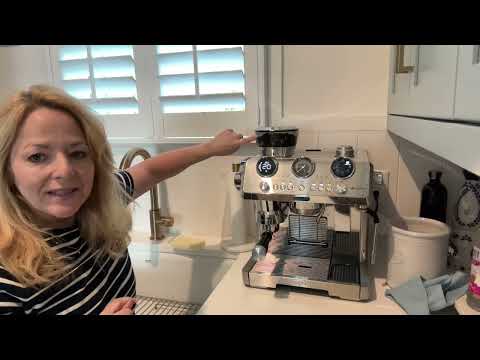 Is the De'Longhi La Specialista Maestro Worth It? Full ReviewTerri's Favorite Finds
-
 Getting Started With Your La Specialista MaestroDe'Longhi UK
-
 New DeLonghi La Specialista Maestro Review | Convenience & QualityHome Coffee Solutions


