
-
LatestThe best Filtercoffee machine of 2026
-
 KitchenAid 5KCM1209EOB Programmable 12-cup brewer for effortless everyday coffee.
-
 Philips Gaia HD7547/80 Straightforward batch brewing with a practical thermal carafe
-
 Moccamaster KBG Select Durable, simple filter brewing for consistently balanced coffee.
-
 Krups Grind en Brew KM8328 Programmable whole-bean coffee maker for fresh, convenient pots.
-
 Moccamaster KBGT Premium filter coffee maker with a thermal carafe and simple operation.
-
 Philips HD7900/01 Fresh-ground filter coffee with flexible dual-bean brewing.
-
-
LatestThe best Espresso machine of 2026
-
 SMEG ECF02BLEU Compact retro espresso maker offers hands-on home brewing.
-
 SMEG EGF03BLEU Hands-on espresso control in a stylish all-in-one machine
-
 De’Longhi Linea Classic Approachable manual espresso for compact, hands-on home coffee.
-
 De'Longhi La Specialista Maestro Guided espresso control with built-in grinding and tamping.
-
 Breville The Barista Express Impress Guided fresh-ground espresso with less guesswork at home
-
 Philips Barista Brew PSA3228/01 Hands-on espresso control with an integrated grinder
-
-
LatestThe best Espresso machine of 2026
-
 Gaggia Cadorna Prestige Home café experience with customizable espresso and frothing.
-
 Philips Cafe Aromis 8000 Serie Experience café-quality espresso at home effortlessly.
-
 De'Longhi PrimaDonna Soul ECAM 610.75.MB High-end espresso machine for perfect home brews.
-
 Ninja Luxe Café Pro Espresso ES701 Guided all-in-one coffee for hot and cold drinks.
-
 KitchenAid KF8 5KES8558EBK One-touch café drinks, customizable profiles, effortless milk frothing
-
 Smeg BCC12BLMUS Compact bean-to-cup coffee with convenient one-touch drinks and retro styling.
-
-
LatestThe best Pad- and cupmachine of 2026
-
 De'Longhi Nespresso ENV 150.R Vertuo Café-quality coffee at home, effortlessly brewed.
-
 Lavazza BLUE Classy Mini Compact capsule machine for quick, convenient espresso.
-
 Krups Nespresso CitiZ Compact capsule brewer for quick espresso and lungo
-
 De'Longhi Nespresso Lattissima One Compact capsule machine makes effortless, single-serve milk coffees.
-
 De'Longhi Nespresso Vertuo Pop Compact capsule brewer, five sizes, effortless brewing.
-
 Breville Nespresso Creatista Plus SNE800BSS Capsule espresso convenience meets customizable café-style milk drinks.
-
-
LatestThe best Pad- and cupmachine of 2026
-
 Philips Senseo Original Plus Easy pod brewing for quick, mellow everyday coffee.
-
 Philips Senseo Maestro CSA260/50 Easy coffee-pad brewing, three strengths, and two-cup option.
-
 Philips Senseo Switch Flexible pod and filter brewing for every household.
-
 Philips Senseo Select Simple pod coffee with customizable strength for everyday convenience.
-
-
LatestThe best Pad- and cupmachine of 2026
-
 Krups Dolce Gusto Genio S Plus Compact pod machine makes customizable café-style drinks effortlessly.
-
 Krups Dolce Gusto Piccolo XS Compact capsule machine for varied, manually brewed drinks
-
 Krups Dolce Gusto MiniMe Compact capsule machine for convenient, varied drinks.
-
 Krups Dolce Gusto Infinissima Touch Versatile capsule drinks with simple touchscreen convenience.
-
-
LatestThe best Pad- and cupmachine of 2026
-
 Keurig K-Duo Plus Flexible pod-and-carafe brewing for varied household coffee routines.
-
 Keurig K-Supreme Quick, flexible single-serve coffee with richer pod brewing.
-
 Keurig K-Duo Hot & Iced One brewer for quick cups and full carafes.
-
 Ninja Pods & Grounds Versatile single-serve brewer for capsules or fresh coffee.
-
 Keurig K-Slim Compact single-serve brewer for quick, convenient coffee.
-
 Keurig K-Express Compact pod brewer delivers quick, customizable single cups.
-
De'Longhi Nespresso Lattissima One review
De’Longhi Nespresso Lattissima One review: see how its compact design, one-touch cappuccinos and easy setup compare with capsule costs and single-serve limits.
check best price


 2025-04-01
- By Paul van Dorsbergen
Summary / TL;DR

The De’Longhi Nespresso Lattissima One is a compact Original-line capsule machine with a built-in milk system for one-touch cappuccinos and latte macchiatos. It is straightforward to use and suits small households seeking quick milk drinks without manual steaming or a separate frother.
Its single-serving milk container means refilling between drinks, and the milk parts need regular rinsing and washing. Foam is convenient but offers less texture control than a steam wand. The mostly plastic body is lightweight, though less substantial than metal machines. Capsule costs add to the purchase price, and Vertuo capsules are incompatible. Overall, it is best suited to people who regularly make one or two milk-based coffees at a time; those wanting more control, multiple drinks in succession, or lower running costs may prefer another type of machine.
If you like this review, you might also like our review on the De'Longhi Nespresso ENV 150.R Vertuo or De'Longhi Nespresso Vertuo Pop or Magimix Nespresso Pixie.
Where to buy
 Best offers of the De'Longhi Nespresso Lattissima One at Amazon.com
Want to help us grow? When you purchase items through the above links we receive a small commission.
Introduction
The De'Longhi Nespresso Lattissima One is made for coffee drinkers who want espresso-based milk drinks without buying a separate frother or learning a café-style routine. It uses Nespresso Original capsules and has a built-in milk system, so you can make a cappuccino or latte macchiato with a button press rather than steaming milk by hand.
That setup suits a small kitchen or a rushed weekday morning: pop in a capsule, pour milk into the container, and choose your drink. The trade-off is that it’s designed for convenient single servings, not for making a row of lattes for guests without stopping to refill the milk. For a household that mainly wants one or two quick capsule coffee and milk drinks at a time, the Lattissima One offers a useful middle ground between a basic pod machine and a more involved espresso setup.
Related reviews


Design and Build Quality
The De’Longhi Nespresso Lattissima One keeps a slim footprint: it measures about 15.4 cm wide, 32.4 cm deep and 25.6 cm tall. That narrow body is handy on a crowded counter, though its depth means it can still take up space front to back. Check the gap beneath your cupboards too, especially if you plan to keep it tucked under a low shelf.
The casing is mostly plastic rather than metal, so it feels light and is easy to move when wiping down the counter. It doesn’t have the weighty, all-metal feel of some pricier coffee machines, and the glossy surfaces can show fingerprints. Still, the compact shape and restrained styling make it look neat beside a kettle or toaster without demanding much attention.
The milk container sits at the front, giving the machine its distinctive compact layout. A fold-out cup support helps accommodate different cup heights, while the removable drip tray catches stray drops and can be taken out for a taller glass. In a small kitchen, those practical details matter more than decorative extras: the machine stays relatively tidy on the counter, but you’ll want to leave enough room in front to handle the tray and milk container.
What's in the Box
Inside the box, you’ll find the machine with its detachable milk container, along with printed instructions and the usual setup paperwork. The milk container is a working part of the appliance, not a separate frothing jug, so there’s no extra milk accessory to buy before making a cappuccino.
- Lattissima One coffee machine
- Detachable milk container
- Instruction and safety documents
Some retailers or regional packages also include a Nespresso capsule sample pack, but capsule bundles can vary, so check the listing before counting on one. If there isn’t a sampler, you’ll need to pick up compatible Nespresso Original capsules separately; Vertuo capsules won’t fit. The box doesn’t usually include a supply of milk or a dedicated descaling kit, so those are worth sorting out separately if you want everything ready for your first coffee.
Setup and Ease of Use
Getting started is straightforward: rinse the water tank, fill it with fresh water, plug in the machine and run the initial rinse with no capsule inside. The buttons flash while it heats up, then stay lit when it’s ready. Once it’s warmed, making a coffee is basically a matter of lifting the lever, dropping in a Nespresso Original capsule and choosing espresso or lungo. There’s no grinder to set or menu to work through.
The milk setup takes a little more attention, but it’s still simple. Pour cold milk into the removable container, keeping within its marked fill level, then fit the container to the machine and position the milk spout over your cup. For a morning cappuccino, a small cup may need to be moved aside before brewing so a taller glass fits under the spout. Choose the milk-drink button and the machine handles the coffee and milk in sequence.
A useful detail for everyday use: the milk container is designed for one serving at a time, so you don’t have to estimate how much milk to load for each drink. It does mean measuring and attaching the jug each time rather than leaving a large milk tank in place. The machine also doesn’t take Vertuo capsules, so check the capsule type if you’re switching from another Nespresso model.
Coffee and Milk Drink Performance
The coffee comes through the Nespresso Original capsule system, so the Lattissima One is at its best with short, punchy drinks. An espresso has a concentrated taste and a crema layer; a lungo gives you a longer, milder cup, though it can taste a little thin if you use a capsule intended for espresso. With either setting, the capsule does most of the flavour work, so the result is consistent but not especially customisable.
Espresso, lungo and milk drinks
For a milk drink, the machine combines coffee with milk from its small, single-serve carafe. It can prepare recipes such as cappuccino and latte macchiato at the touch of a button. The foam is light and pleasantly creamy, rather than the glossy, fine-textured microfoam a skilled barista makes with a steam wand. That suits an easy morning cappuccino, but it’s less suited to pouring latte art or adjusting the milk texture yourself.
The carafe is designed for one drink at a time, which works well for a quick cappuccino before work. Fill it to the recipe’s marked level: too much milk can leave you with a larger, milkier drink than expected. The machine uses the milk in the carafe for the selected recipe, so measuring the portion carefully helps keep each cup balanced and avoids wasting milk.
- Espresso: concentrated and straightforward, with flavour shaped by your capsule choice.
- Lungo: a longer pour for a gentler cup; some espresso capsules may taste diluted this way.
- Milk recipes: convenient one-touch cappuccino-style drinks, with less control over foam than a manual steam wand.
Cleaning and Maintenance
The milk system needs a little attention after every latte or cappuccino, but the rinse is quick. Turn the milk regulator to the Clean position and the machine flushes the milk circuit through the spout with hot water and steam. It takes around 15 seconds, so it’s easy to do before the milk residue dries. Keep a cup under the spout: the rinse water can splash, and skipping this step may leave old milk in the nozzle.
For a proper wash, remove the milk container and take its parts apart so you can clean the lid, tube and frothing spout. A narrow milk tube is easy to overlook; check that it’s clear before putting everything back together. Rinse the parts promptly after use, or run them through the dishwasher if your manual’s care instructions allow it. The milk container can be stored in the fridge between drinks, but washing it regularly still matters—cold storage isn’t a substitute for cleaning.
- After a milk drink: run the automatic milk rinse.
- Regularly: wash the removable milk-container parts and wipe the machine exterior.
- As needed: empty and rinse the drip tray and used-capsule container.
- When prompted: descale the machine to clear mineral buildup from its water circuit.
Descaling takes longer than the daily rinse, but the machine’s indicator helps you keep track of when it’s due. You’ll need a compatible descaling solution and enough time to complete the full cycle. The brew unit itself isn’t designed for routine removal, so keeping the water tank, drip tray and capsule container clean—and dealing with milk residue straight away—does most of the day-to-day work.
Competitor comparison
Compared with other Nespresso machines with a milk frother, the Lattissima One sits between simple espresso-only models and pricier machines with more drink options. It uses Original-line capsules, so it suits anyone who prefers espresso-based drinks and wants milk recipes without learning to steam milk by hand.
| Machine type | What you gain | What you give up |
|---|---|---|
| Essenza Mini or another basic Original model | A smaller, usually simpler route to espresso and lungo | No built-in milk system; you’ll need a separate frother for cappuccinos |
| Lattissima One | One-touch milk drinks in a compact, capsule-based setup | Less control over milk texture and fewer drink choices than advanced models |
| Creatista Plus | A steam wand for adjusting milk texture and practising latte art | More hands-on preparation and a typically higher price |
| Gran Lattissima | A wider selection of one-touch milk recipes | A larger machine with more features than a small household may need |
The biggest difference is how much control you want. A Creatista makes more sense if you enjoy pouring milk yourself and want to fine-tune foam for a flat white. The Lattissima One is easier for a quick weekday cappuccino: choose a capsule, add milk to the container and let the machine handle the recipe. It’s an automatic cappuccino maker, not a compact barista station.
It also avoids the extra step of pairing a basic Nespresso machine with a standalone milk frother. That can mean less kit on the counter, though the milk system is less flexible than a separate frother you can use for different amounts or textures. For a household that mostly drinks espresso, a simpler Original machine may be the better buy; for regular cappuccinos without manual steaming, this model makes a more convenient middle ground.
Value for Money
The De’Longhi Nespresso Lattissima One costs more than a basic pod machine, so its value depends on how often you make milk-based coffee. You’re paying extra for a machine that handles the milk drink at the touch of a button, rather than for a lower cost per cup. For someone who regularly buys lattes from a café, making one at home can help the price difference feel worthwhile over time.
Pods are the bigger ongoing expense. Nespresso Original capsules are convenient and widely available, including compatible options from other brands, but they usually cost more per drink than buying ground coffee. Add milk and the occasional descaling product, and the total cost of owning a capsule coffee machine is higher than the machine’s purchase price alone. Checking capsule prices before buying is a simple way to estimate your likely weekly spend.
The Lattissima One makes the strongest value case for a one- or two-person household that wants an easy cappuccino or latte without paying café prices. Its single-serve approach can also suit people who don’t want to keep a large amount of milk ready for multiple drinks. On the other hand, a household that makes several coffees a day may find the capsule costs add up quickly; a cheaper machine that uses ground coffee could be a better buy.
Retail prices vary, so it’s worth comparing offers rather than judging the machine by its list price. At a discount, it can be a good-value Nespresso machine with a milk frother built into the process. At full price, it makes more sense for buyers who’ll use the milk-drink function often, not for anyone simply after the cheapest way to brew a cup.
Conclusion
The De’Longhi Nespresso Lattissima One makes the most sense for someone who wants a proper milk coffee without turning breakfast into a small café shift. Its one-touch cappuccino and latte macchiato options suit a quick weekday routine, while the compact footprint is easier to fit on a crowded kitchen counter than many bean-to-cup machines.
It is less appealing if you regularly make drinks for a group or want to adjust every part of the brewing process. This is a Nespresso capsule coffee machine with a milk frother, not a hands-on espresso setup, and the ongoing cost of capsules is part of the deal. For one or two people who mainly want an easy cappuccino at home, though, it delivers a useful balance of speed, convenience, and café-style drinks.
Pros & cons
Pros
- One-touch cappuccino and latte drinks
- Compact, narrow footprint
- Simple capsule-based operation
- Removable milk container
- Consistent espresso from Original capsules
Cons
- Capsules cost more than ground coffee
- Milk system needs cleaning after use
- Single-serve carafe slows making rounds
- Limited control over milk foam
Frequently Asked Questions
To clean the De'Longhi Nespresso Lattissima One, disassemble the Rapid Cappuccino System by pressing the button on the side of the milk jug. Clean all components in the dishwasher or soak them in hot water with mild detergent for 30 minutes. Rinse thoroughly and dry with a clean towel. Use a damp cloth to clean the machine's surface.
If your De'Longhi Nespresso Lattissima One is not producing milk froth, ensure you're using skimmed or semi-skimmed cow milk at refrigerator temperature. Check that the milk jug is filled with at least 30 ml of milk and that the air aspiration part is clean. Avoid using frozen or vegetable milk.
The De'Longhi Nespresso Lattissima One is designed to work with Nespresso capsules. While some third-party capsules might fit, they are not recommended as they may not provide optimal performance or could potentially damage the machine.
To descale the De'Longhi Nespresso Lattissima One, access the menu by pressing the milk button for 3 seconds. Select the descaling option and follow the on-screen instructions. Use a descaling solution specifically designed for coffee machines.
The De'Longhi Nespresso Lattissima One has an automatic power-off feature. It turns off after 9 minutes of inactivity for milk functions, 30 minutes for Lungo, and 8 hours for Espresso. This helps conserve energy.
To enter Menu mode on the De'Longhi Nespresso Lattissima One, remove the milk jug and press the milk button for 3 seconds. The descaling and clean alerts will start blinking.
If your De'Longhi Nespresso Lattissima One is not producing coffee, check that the water tank is not empty and that the machine is properly assembled. Ensure the lever is closed completely and that the capsule container is not full.
The De'Longhi Nespresso Lattissima One is compact and designed for standard cups. While it might fit some travel mugs, the maximum height for cups is limited, so larger travel mugs may not fit.
If the De'Longhi Nespresso Lattissima One gets stuck, try turning it off by pressing the Espresso and Lungo buttons for 2 seconds. Wait a few minutes and then turn it back on. If issues persist, contact Nespresso support.
For optimal performance with the De'Longhi Nespresso Lattissima One, use skimmed or semi-skimmed cow milk at refrigerator temperature. Avoid using frozen or vegetable milk as they may not froth properly.
Important
Before buying any product, check all details of this product on the website or in the store where you purchase it. Aspects and specifications mentioned in the text above might differ.

Written by Paul van Dorsbergen
Paul van Dorsbergen is a renowned coffee enthusiast whose reviews serve as a trusted resource for both novice and seasoned coffee lovers. With a background in engineering, Paul brings a unique perspective to his assessments, focusing on the technical aspects of coffee machines with precision and clarity. His passion for coffee culture, sparked at a young age, has driven his career for over a decade, making him a respected voice in the coffee community.
Beyond his technical expertise, Paul enriches his reviews with insights from his travels across Europe and beyond. His experiences at coffee farms in Colombia, espresso bars in Italy, and bustling cafes in Japan add depth and authenticity to his writing. Paul's dedication to quality and authenticity has earned him a loyal following, making his reviews an invaluable guide for anyone looking to explore the art and science of coffee making.
Read more about PaulWhere to buy
More De'Longhi reviews
Videos
-
 Nespresso Lattissima One - Productvideo - MediaMarktMediaMarkt Nederland
-
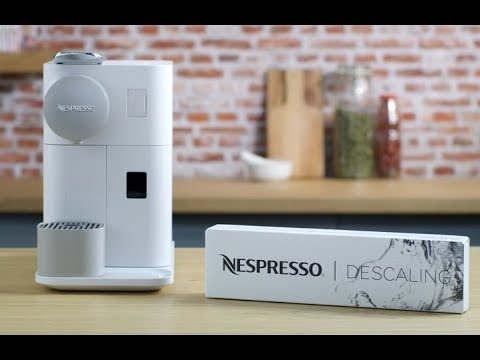 Nespresso Lattissima One - DescalingNespresso
-
-

-

-


