-
LatestThe best Filtercoffee machine of 2026
-
 KitchenAid 5KCM1209EOB Programmable 12-cup brewer for effortless everyday coffee.
-
 Philips Gaia HD7547/80 Straightforward batch brewing with a practical thermal carafe
-
 Moccamaster KBG Select Durable, simple filter brewing for consistently balanced coffee.
-
 Krups Grind en Brew KM8328 Programmable whole-bean coffee maker for fresh, convenient pots.
-
 Moccamaster KBGT Premium filter coffee maker with a thermal carafe and simple operation.
-
 Philips HD7900/01 Fresh-ground filter coffee with flexible dual-bean brewing.
-
-
LatestThe best Espresso machine of 2026
-
 SMEG ECF02BLEU Compact retro espresso maker offers hands-on home brewing.
-
 SMEG EGF03BLEU Hands-on espresso control in a stylish all-in-one machine
-
 De’Longhi Linea Classic Approachable manual espresso for compact, hands-on home coffee.
-
 De'Longhi La Specialista Maestro Guided espresso control with built-in grinding and tamping.
-
 Breville The Barista Express Impress Guided fresh-ground espresso with less guesswork at home
-
 Philips Barista Brew PSA3228/01 Hands-on espresso control with an integrated grinder
-
-
LatestThe best Espresso machine of 2026
-
 Gaggia Cadorna Prestige Home café experience with customizable espresso and frothing.
-
 Philips Cafe Aromis 8000 Serie Experience café-quality espresso at home effortlessly.
-
 De'Longhi PrimaDonna Soul ECAM 610.75.MB High-end espresso machine for perfect home brews.
-
 Ninja Luxe Café Pro Espresso ES701 Guided all-in-one coffee for hot and cold drinks.
-
 KitchenAid KF8 5KES8558EBK One-touch café drinks, customizable profiles, effortless milk frothing
-
 Smeg BCC12BLMUS Compact bean-to-cup coffee with convenient one-touch drinks and retro styling.
-
-
LatestThe best Pad- and cupmachine of 2026
-
 De'Longhi Nespresso ENV 150.R Vertuo Café-quality coffee at home, effortlessly brewed.
-
 Lavazza BLUE Classy Mini Compact capsule machine for quick, convenient espresso.
-
 Krups Nespresso CitiZ Compact capsule brewer for quick espresso and lungo
-
 De'Longhi Nespresso Lattissima One Compact capsule machine makes effortless, single-serve milk coffees.
-
 De'Longhi Nespresso Vertuo Pop Compact capsule brewer, five sizes, effortless brewing.
-
 Breville Nespresso Creatista Plus SNE800BSS Capsule espresso convenience meets customizable café-style milk drinks.
-
-
LatestThe best Pad- and cupmachine of 2026
-
 Philips Senseo Original Plus Easy pod brewing for quick, mellow everyday coffee.
-
 Philips Senseo Maestro CSA260/50 Easy coffee-pad brewing, three strengths, and two-cup option.
-
 Philips Senseo Switch Flexible pod and filter brewing for every household.
-
 Philips Senseo Select Simple pod coffee with customizable strength for everyday convenience.
-
-
LatestThe best Pad- and cupmachine of 2026
-
 Krups Dolce Gusto Genio S Plus Compact pod machine makes customizable café-style drinks effortlessly.
-
 Krups Dolce Gusto Piccolo XS Compact capsule machine for varied, manually brewed drinks
-
 Krups Dolce Gusto MiniMe Compact capsule machine for convenient, varied drinks.
-
 Krups Dolce Gusto Infinissima Touch Versatile capsule drinks with simple touchscreen convenience.
-
-
LatestThe best Pad- and cupmachine of 2026
-
 Keurig K-Duo Plus Flexible pod-and-carafe brewing for varied household coffee routines.
-
 Keurig K-Supreme Quick, flexible single-serve coffee with richer pod brewing.
-
 Keurig K-Duo Hot & Iced One brewer for quick cups and full carafes.
-
 Ninja Pods & Grounds Versatile single-serve brewer for capsules or fresh coffee.
-
 Keurig K-Slim Compact single-serve brewer for quick, convenient coffee.
-
 Keurig K-Express Compact pod brewer delivers quick, customizable single cups.
-
Philips Barista Brew PSA3228/01 review
Review the Philips Barista Brew PSA3228/01, with its built-in grinder, 58mm portafilter and manual steam wand for hands-on espresso at home.
check best price


 2025-04-12
- By Lotte van Eecken
Summary / TL;DR

The Philips Barista Brew PSA3228/01 is a semi-automatic espresso machine with a built-in grinder, 58 mm portafilter and manual steam wand. Its integrated design keeps grinding and brewing in one unit, while the pressure gauge and 15 grind settings provide some control over extraction. It can make espresso and textured milk drinks, but users need to grind, dose, tamp and steam milk themselves. Expect some trial and error when dialing in beans, particularly for beginners. The machine includes basic preparation and cleaning accessories, though a precision scale is not included. Its plastic hopper and water tank feel less substantial than its metal portafilter and front. It suits people willing to learn a hands-on routine, rather than those seeking one-touch drinks or automatic cleaning.
If you like this review, you might also like our review on the Philips 1200 Series EP1220 or Philips Baristina BAR300/60 or Philips 3300 EP3321/40.
Where to buy
 Best offers of the Philips Barista Brew PSA3228/01 at Amazon.com
Want to help us grow? When you purchase items through the above links we receive a small commission.
Introduction
The Philips Barista Brew PSA3228/01 is a manual espresso machine with a built-in grinder, aimed at people who want more control than a one-touch coffee maker offers without assembling a separate grinder-and-machine setup. It handles the key steps at home—grinding, dosing, tamping and brewing—while leaving you to make the small adjustments that shape a shot.
That hands-on approach suits someone who enjoys a morning flat white but also wants to learn why one espresso tastes sweeter than another. It does mean making coffee takes more effort than pressing a button: expect to handle the portafilter and tidy up some loose grounds. In this review, we look at whether the machine makes that routine approachable and delivers the kind of results that justify choosing a home espresso machine with grinder.
Related reviews
-

-
 Philips Cafe Aromis 8000 SerieEspresso machines
-

Design and Build Quality
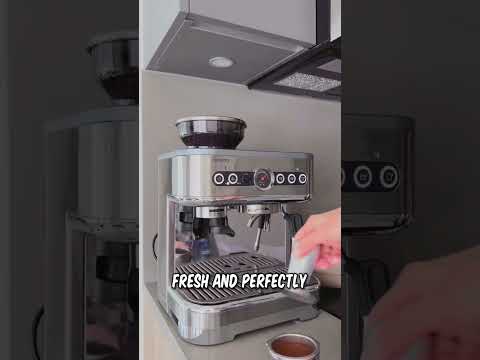
The Philips Barista Brew has a tidy, café-style look, with a stainless-steel front and darker side panels that keep it from feeling too flashy on the counter. Its 58 mm portafilter gives the machine a more substantial feel than the small pressurized baskets found on many entry-level espresso makers. The handle is comfortable to grip, and the metal basket has enough weight to feel reassuring when you lock it into place.
At the front, a pressure gauge adds a useful visual touch without crowding the controls. It’s easy to glance at while standing at the machine, and the simple layout looks less cluttered than some espresso machines covered in small buttons. The broad top also gives the unit a solid, substantial appearance, though it takes up a fair bit of counter depth. Measure your space before buying, especially if you plan to keep it beneath low cabinets.
Not every part feels equally premium. The bean hopper and water tank use clear plastic, which is practical for checking levels but feels lighter than the metal front and portafilter. Overall, the build balances sturdy café-style parts with lighter everyday components—a sensible design for a home espresso machine, though it isn’t an all-metal appliance.
What's in the Box
The box includes the main tools you need to start making espresso at home, rather than just the machine and a portafilter. You get a 58 mm portafilter, filter baskets for single and double shots, a tamper, and a dosing funnel. The funnel helps keep loose grounds from spilling over the edge while you fill the basket—handy if you’re making coffee on a small, busy counter.
- Stainless-steel milk jug for steaming milk
- Tamper and dosing funnel for preparing the coffee puck
- Cleaning brush and pin for routine cleaning and clearing the small openings in the steam wand
That’s a useful starter set for a semi-automatic espresso machine, and it means you don’t need to buy a milk pitcher straight away. The exact accessories can vary by market, so check the retailer’s listing if you’re comparing bundles. A precision scale is not part of the standard kit, though; you’ll need to add one separately if you want to weigh your coffee dose and espresso output.
Setup and Ease of Use
The Philips Barista Brew PSA3228/01 takes a little more first-day setup than a pod machine, but the steps are straightforward. Wash the removable parts, fill and seat the water tank, add beans to the hopper, then follow the manual’s instructions for rinsing the machine before brewing. That initial flush is worth doing: it clears the water path and lets you check that the tank is fitted properly before coffee gets involved.
Getting your first shot dialled in
The built-in grinder keeps the basic routine in one place: grind into the portafilter, tamp the coffee, lock it into the group head, and choose a shot. Start with the grinder’s middle setting and make one adjustment at a time. If espresso runs through very quickly, try a finer grind; if it barely drips, go a little coarser. The pressure gauge gives you another clue about how the puck is behaving, though it takes a few shots to learn what readings work with your beans.
A practical first morning might mean using the same beans for two or three shots rather than changing the grind, dose and tamp all at once. That makes it easier to tell which adjustment helped. The machine’s controls are more approachable than a fully manual setup, but they don’t remove the small learning curve that comes with a grind-on-demand espresso machine.
- New to espresso? Keep the grind setting steady while you practise filling and tamping evenly.
- Changing beans? Expect to make a small grind adjustment; darker and lighter roasts can behave differently.
- Short on counter space? Leave room to lift out the water tank and work comfortably with the portafilter.
Once you’ve found a setting that suits your beans, the daily routine is fairly repeatable. The main drawback is that dialing in still takes some trial and error, especially for a first-time espresso maker. But the integrated grinder and clear controls make that process less fiddly than juggling a separate grinder and machine.
Espresso Quality and Performance
The Philips Barista Brew PSA3228/01 gives you room to adjust the parts that most affect a shot: grind size, coffee dose and tamp. Its built-in grinder has 15 settings, while the 58 mm portafilter gives you a familiar size for learning how changes to the coffee puck affect extraction.
That adjustment matters with different beans. A shot that runs through too quickly may taste thin or sour; a finer grind can slow it down. If it drips rather than flows, try a coarser setting. Make one change at a time, since shifting the grind and dose together makes it harder to tell what improved the espresso. The grinder’s 15 steps offer useful control for home use, though people who like very fine, precise adjustments may find the gaps between settings limiting.
A built-in pressure gauge provides another clue during extraction. It can help you spot an unusually fast or slow shot, but it won’t tell you the whole story: coffee freshness, dose and tamping all affect what ends up in the cup. The pump is rated at 15 bar; that is its maximum rating, not a promise that espresso is extracted at 15 bar.
With fresh beans and a well-adjusted grind, the machine can make a concentrated, full-bodied espresso with a layer of crema. Expect a little trial and error before you find a recipe you like. For example, if the same beans taste sharp one morning and more balanced after a small grind adjustment, that’s a useful sign you’re getting a feel for the machine—not a fault with the espresso maker.
Milk Frothing and Drink Options
The manual steam wand gives you control over milk texture rather than choosing a preset. With the tip just below the surface, you can add air for a cappuccino’s thicker foam; lower it a little deeper and keep the milk moving to make the finer, glossy microfoam that suits a latte or flat white. It takes a few tries to get the angle and timing right, but that hands-on approach makes it easier to adjust the foam to your taste.
For a small cappuccino, start with cold milk and stop steaming before it gets too hot to hold comfortably. Too much air can leave large, dry bubbles; a quick swirl of the jug helps smooth them out. Oat milk can also work well, though results vary by brand, and some barista-style cartons produce finer foam than regular versions.
Drinks you can make
There are no one-touch milk-drink recipes, so you make the espresso first and steam the milk separately. That keeps the drink flexible, but it does mean a little more work than with a fully automatic machine.
- Cappuccino: espresso topped with a generous layer of airy milk foam.
- Latte: espresso with more steamed milk and a thinner cap of foam.
- Flat white: espresso finished with a smaller amount of finely textured milk.
- Macchiato: espresso marked with just a spoonful of foam.
The wand is for hot milk drinks, not automatic cold foam, so iced coffee is best made by brewing espresso and adding chilled milk separately. Overall, the Philips Barista Brew suits people who want a manual milk frother for espresso drinks and don’t mind practising their steaming technique; anyone expecting push-button cappuccinos will need to do more by hand.
Cleaning and Maintenance
The cleaning routine is manageable, but this is still a manual espresso machine: it won’t wash the milk wand or clear coffee residue for you. A quick wipe and rinse after each drink saves a more stubborn cleanup later.
After each use
After steaming milk, wipe the stainless-steel steam wand with a damp cloth, then briefly purge it to clear milk from the tip. Don’t leave milk to dry there; even a small splash can harden around the nozzle. Knock out the used coffee puck, rinse the portafilter and basket, and empty the drip tray if the indicator shows it’s full. The removable water tank and drip tray make those daily jobs straightforward.
Grinder and regular upkeep
The built-in grinder adds one extra spot to check. Brush loose grounds from around the grind outlet and surrounding area, especially if you switch beans or notice old grounds collecting. Avoid rinsing the grinder itself. The portafilter baskets also benefit from a proper wash now and then, since coffee oils can build up and turn fresh shots bitter.
| Task | When |
|---|---|
| Wipe and purge the steam wand | After steaming milk |
| Rinse the basket and portafilter | After brewing |
| Empty and rinse the drip tray | When full, or as needed |
| Clean away loose grinder grounds | Regularly, and when changing beans |
| Descale the machine | As directed in the manual for your water conditions |
Plan for manual descaling as part of long-term care; how often you need it depends on your water hardness and use. The trade-off is simple: there’s no fully automatic cleaning routine to rely on, but the removable parts and accessible wand make the everyday cleanup fairly quick.
Competitor comparison
Compared with other espresso machines with built-in grinders, the Philips Barista Brew PSA3228/01 stands out for its 58 mm portafilter. That’s the same diameter used by many café machines, so you have a wider choice of compatible baskets and some barista accessories than you do with machines built around smaller, brand-specific portafilters. Just check the exact fit before buying: diameter alone doesn’t guarantee that every handle or basket will lock in correctly.
| Machine | Portafilter and grinder | What that means in practice |
|---|---|---|
| Philips Barista Brew | 58 mm portafilter; built-in grinder with 15 grind settings | A useful middle ground for home users who want an integrated grinder and access to common 58 mm accessories. |
| Breville Barista Express | 54 mm portafilter; built-in grinder with 16 settings | A close alternative with a slightly finer number of grinder steps, but its portafilter size differs from the Philips. |
| De’Longhi La Specialista Arte | 51 mm portafilter; built-in grinder | Offers a compact all-in-one setup, though its smaller portafilter means a different accessory fit. |
The Breville Barista Express is probably the closest rival for someone comparing semi-automatic espresso makers with grinders. Both keep the grinder and brewing equipment in one machine, which saves counter space and avoids buying a separate grinder. Breville gives you one more listed grind setting, but that doesn’t automatically make it easier to dial in a shot; coffee freshness, dose and small grind changes matter more than the number on the dial. Philips has the edge if a 58 mm setup and broader accessory options are high on your list.
Against the De’Longhi La Specialista Arte, the Philips is appealing for people who want a larger, café-style portafilter without stepping up to separate equipment. The practical difference shows up later: replacement baskets and tampers are often sold by portafilter size, so a 51 mm accessory bought for the De’Longhi won’t suit the Philips. For a first espresso machine, that can save a bit of guesswork when you start upgrading your kit.
Overall, this Philips is a sensible pick among home espresso machines with an integrated grinder. It doesn’t make the other models obsolete, but its 58 mm portafilter gives it a clear point of difference, while the Breville remains a strong alternative for buyers who prefer its controls or already own compatible 54 mm accessories.
Conclusion
The Philips Barista Brew PSA3228/01 suits someone who wants a proper home espresso machine with a built-in grinder but doesn’t want to assemble a separate grinder-and-machine setup. It gives you room to adjust your routine as you learn: for example, changing the grind a little finer when a shot runs too quickly. That hands-on control is part of the appeal, though it also means your first few coffees may take some trial and error.
It’s a better fit for curious beginners and everyday espresso drinkers than for anyone expecting one-touch cappuccinos or café-level automation. You’ll need to grind, tamp and steam the milk yourself, and that takes practice. But if you enjoy making a morning latte and want freshly ground coffee without buying a separate grinder, this is a capable beginner espresso machine with room to build your skills.
Pros & cons
Pros
- Built-in grinder with 15 settings
- 58 mm portafilter fits common accessories
- Pressure gauge aids shot adjustments
- Includes useful starter tools and milk jug
- Manual wand allows control over milk texture
Cons
- Shots take trial and error to dial in
- No one-touch milk drinks
- Grind settings may lack fine adjustment
- Takes up considerable counter depth
Frequently Asked Questions
The Philips Barista Brew PSA3228/01 has a dual bean container with a capacity of 280 grams, ensuring the freshness of your coffee beans.
To clean the portafilter of your Philips Barista Brew PSA3228/01, rinse it with hot water after each use. For deeper cleaning, use Philips coffee oil remover tablets monthly.
Yes, the Philips Barista Brew PSA3228/01 features automatic descaling. However, you need to initiate the process manually using the Philips Espresso machine descaler (CA6700).
The Philips Barista Brew PSA3228/01 uses a metal conical burr grinder, offering 15 different grind sizes for optimal flavor.
To froth milk with the Philips Barista Brew PSA3228/01, use the 450ml temperature perfection milk jug and the powerful steam wand. Monitor the temperature strip on the jug for optimal frothing.
The Philips Barista Brew PSA3228/01 operates with a 15-bar pump, ensuring high-pressure extraction for rich espresso.
Yes, the Philips Barista Brew PSA3228/01 includes an integrated hot water outlet, making it easy to create an Americano with just a simple press of a button.
The Philips Barista Brew PSA3228/01 is rated as Class A for energy efficiency, minimizing energy consumption while maintaining performance.
To descale your Philips Barista Brew PSA3228/01, use the Philips Espresso machine descaler (CA6700). Follow the manual for detailed steps on initiating the descaling cycle and rinsing afterward.
The Philips Barista Brew PSA3228/01 typically comes with a 2-year warranty, providing coverage for repairs and replacements during this period.
Important
Before buying any product, check all details of this product on the website or in the store where you purchase it. Aspects and specifications mentioned in the text above might differ.

Written by Lotte van Eecken
Lotte van Eecken is a renowned review writer with a focus on coffee machines, particularly filter and espresso models. Known for her insightful and detailed reviews, Lotte helps consumers make informed purchasing decisions by combining her passion for coffee with her expertise in coffee-making technology. Her work is featured in prestigious publications and she collaborates with tech blogs, lifestyle magazines, and consumer reports, offering clarity and depth in her assessments.
Beyond her professional endeavors, Lotte enjoys the art scene in Eindhoven and is an avid painter. Her creativity also extends to experimenting with brewing methods and coffee blends. As a passionate traveler, she visits coffee-growing regions worldwide to deepen her understanding of the coffee journey. Lotte's commitment to quality and her ability to connect with her audience make her a cherished figure among coffee enthusiasts. Her dedication is evident in every review she writes, influencing the coffee industry and delighting readers with her expertise.
Read more about LotteWhere to buy
More Philips reviews
-
 Philips 16B1P3302D/00 review
Portable monitor: practical design, vibrant display, versatile connectivity.
Videos
-
 Philips Barista Brew | The New DREAM MACHINE | ReviewECS COFFEE Espresso & Coffee Gear
-
 Philips Barista Brew: HONEST Review and TestCoffealover EN
-
 Philips Barista Brew PSA3228/01 Jak nainstalovatPhilips Home Living
-

-

-