
-
LatestThe best Filtercoffee machine of 2026
-
 KitchenAid 5KCM1209EOB Programmable 12-cup brewer for effortless everyday coffee.
-
 Philips Gaia HD7547/80 Straightforward batch brewing with a practical thermal carafe
-
 Moccamaster KBG Select Durable, simple filter brewing for consistently balanced coffee.
-
 Krups Grind en Brew KM8328 Programmable whole-bean coffee maker for fresh, convenient pots.
-
 Moccamaster KBGT Premium filter coffee maker with a thermal carafe and simple operation.
-
 Philips HD7900/01 Fresh-ground filter coffee with flexible dual-bean brewing.
-
-
LatestThe best Espresso machine of 2026
-
 SMEG ECF02BLEU Compact retro espresso maker offers hands-on home brewing.
-
 SMEG EGF03BLEU Hands-on espresso control in a stylish all-in-one machine
-
 De’Longhi Linea Classic Approachable manual espresso for compact, hands-on home coffee.
-
 De'Longhi La Specialista Maestro Guided espresso control with built-in grinding and tamping.
-
 Breville The Barista Express Impress Guided fresh-ground espresso with less guesswork at home
-
 Philips Barista Brew PSA3228/01 Hands-on espresso control with an integrated grinder
-
-
LatestThe best Espresso machine of 2026
-
 Gaggia Cadorna Prestige Home café experience with customizable espresso and frothing.
-
 Philips Cafe Aromis 8000 Serie Experience café-quality espresso at home effortlessly.
-
 De'Longhi PrimaDonna Soul ECAM 610.75.MB High-end espresso machine for perfect home brews.
-
 Ninja Luxe Café Pro Espresso ES701 Guided all-in-one coffee for hot and cold drinks.
-
 KitchenAid KF8 5KES8558EBK One-touch café drinks, customizable profiles, effortless milk frothing
-
 Smeg BCC12BLMUS Compact bean-to-cup coffee with convenient one-touch drinks and retro styling.
-
-
LatestThe best Pad- and cupmachine of 2026
-
 De'Longhi Nespresso ENV 150.R Vertuo Café-quality coffee at home, effortlessly brewed.
-
 Lavazza BLUE Classy Mini Compact capsule machine for quick, convenient espresso.
-
 Krups Nespresso CitiZ Compact capsule brewer for quick espresso and lungo
-
 De'Longhi Nespresso Lattissima One Compact capsule machine makes effortless, single-serve milk coffees.
-
 De'Longhi Nespresso Vertuo Pop Compact capsule brewer, five sizes, effortless brewing.
-
 Breville Nespresso Creatista Plus SNE800BSS Capsule espresso convenience meets customizable café-style milk drinks.
-
-
LatestThe best Pad- and cupmachine of 2026
-
 Philips Senseo Original Plus Easy pod brewing for quick, mellow everyday coffee.
-
 Philips Senseo Maestro CSA260/50 Easy coffee-pad brewing, three strengths, and two-cup option.
-
 Philips Senseo Switch Flexible pod and filter brewing for every household.
-
 Philips Senseo Select Simple pod coffee with customizable strength for everyday convenience.
-
-
LatestThe best Pad- and cupmachine of 2026
-
 Krups Dolce Gusto Genio S Plus Compact pod machine makes customizable café-style drinks effortlessly.
-
 Krups Dolce Gusto Piccolo XS Compact capsule machine for varied, manually brewed drinks
-
 Krups Dolce Gusto MiniMe Compact capsule machine for convenient, varied drinks.
-
 Krups Dolce Gusto Infinissima Touch Versatile capsule drinks with simple touchscreen convenience.
-
-
LatestThe best Pad- and cupmachine of 2026
-
 Keurig K-Duo Plus Flexible pod-and-carafe brewing for varied household coffee routines.
-
 Keurig K-Supreme Quick, flexible single-serve coffee with richer pod brewing.
-
 Keurig K-Duo Hot & Iced One brewer for quick cups and full carafes.
-
 Ninja Pods & Grounds Versatile single-serve brewer for capsules or fresh coffee.
-
 Keurig K-Slim Compact single-serve brewer for quick, convenient coffee.
-
 Keurig K-Express Compact pod brewer delivers quick, customizable single cups.
-
Philips HD7900/01 review
Review the Philips HD7900/01 Grind & Brew, with dual bean hoppers, adjustable grind and strength, a timer, and practical tips on brewing, cleaning and value.


 2025-03-16
- By Jurre Blomveld
Summary / TL;DR

The Philips HD7900/01 is a filter coffee maker with an integrated grinder and two bean compartments, allowing users to switch between or combine different beans. It offers nine grind settings, three strength levels, a timer and brewing for one to ten cups. The glass carafe and removable parts are straightforward to clean, while the grinder and chute need dry brushing and the machine requires periodic descaling.
It makes conventional drip coffee rather than espresso, and the grinder adds noise, height and maintenance compared with a basic brewer. The dual-hopper design is most useful for households that regularly switch between beans, such as regular and decaf. Those who mainly use pre-ground coffee or brew occasionally may find a simpler machine better value.
If you like this review, you might also like our review on the Philips Gaia HD7547/80.
Introduction
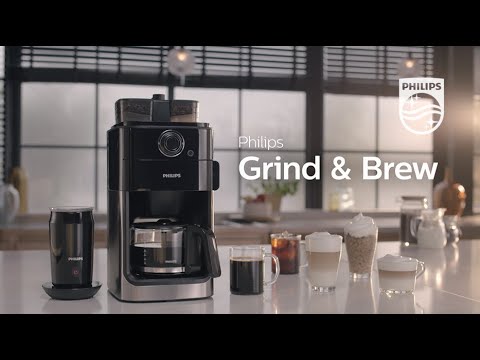
The Philips HD7900/01 Grind & Brew is a filter coffee machine for people who like the taste of freshly ground beans but don’t want a separate grinder taking up counter space. It handles the grinding and brewing in one machine, making it a practical option for a weekday morning or a slow second cup after lunch.
Its most distinctive idea is the dual bean container: you can keep two types of beans ready and choose between them, or combine them for a different cup. That can be handy if one person prefers a darker roast while someone else reaches for something milder. It’s still a drip coffee maker, not an espresso machine, so expect a full pot of filter coffee rather than concentrated café-style drinks.
This Philips coffee maker with grinder is aimed at households that want fresh-ground coffee without turning every brew into a project. It offers more flexibility than a basic filter machine, though the extra grinding and bean-selection features may be unnecessary if you usually use pre-ground coffee.
Related reviews
-
 KitchenAid 5KCM1209EOBFiltercoffee machines
-
 Philips Gaia HD7547/80Filtercoffee machines
-

Design and Build Quality
The Philips HD7900/01 has a tall, fairly compact footprint for a filter coffee maker with a built-in grinder. It measures roughly 27.7 × 24.5 × 43.4 cm, so it doesn’t take up much counter depth, but check the space beneath your cabinets: the bean containers sit on top and need room to open.
The black housing is mostly plastic, with a glass carafe that gives the machine a less bulky look than an all-metal drip coffee maker. The finish feels practical rather than premium, and the broad top section makes the machine look substantial on the counter. Its two separate bean containers are a useful part of the design: they let you keep different beans in the same machine without storing extra bags beside it.
| Approximate dimensions | 27.7 × 24.5 × 43.4 cm |
|---|---|
| Main materials | Plastic body and glass carafe |
| Bean storage | Two separate containers on top |
Overall, the design makes sensible use of vertical space, though its height is the main thing to measure before buying. The glass pot also needs a little more care than a stainless-steel carafe, especially when you’re moving it around a crowded sink.
What's in the Box
The package is fairly straightforward: you get the Philips Grind & Brew coffee maker, its glass coffee jug and the printed instructions. The bean containers and filter basket are part of the machine, rather than separate add-ons to fit later.
- Coffee maker with the built-in grinder and two bean compartments
- Glass jug for collecting the brewed coffee
- Printed user manual and setup information
There’s no bag of coffee beans in the box, so have your preferred beans ready before the first brew. The machine uses a filter basket; check the manual for the recommended paper-filter size, as a permanent reusable filter isn’t something I’d assume is included. Packaging can vary a little by market, so it’s worth checking the retailer’s listing if you’re expecting an extra accessory.
Setup and Ease of Use
Initial setup is fairly simple, though there are a few more choices than on a basic drip coffee maker. Rinse the jug and removable filter holder, fill the water tank, then run a water-only cycle before brewing your first pot. That clears out any factory dust and gives the jug a quick rinse through the machine.
After that, add beans to the hopper and use the controls to set the number of cups and your preferred settings. The dual bean container is handy if you keep regular and decaf beans at home: you can choose which side to use without emptying the whole hopper. It’s worth checking the selector before pressing brew, especially on a sleepy morning when the decaf side is not what you had in mind.
Everyday controls and timer
The display and buttons make the main tasks easy to find: set the clock, choose the brew strength and cup quantity, and program the coffee maker timer if you want coffee ready in the morning. The timer takes a little setup the first time, but once it’s set, preparing the next brew is mostly a matter of adding water and beans. The cup markings on the tank help you measure water without reaching for a separate jug.
One small adjustment to expect: the machine needs a moment to grind before coffee starts dripping, so it isn’t as instant as a pre-ground filter machine. Still, the routine is straightforward, and the controls don’t require much menu-hopping. For a cleaner first brew, double-check that the filter holder is seated properly and the jug is pushed fully into place before starting.
Brewing Performance and Coffee Quality
The main advantage here is straightforward: the beans are ground just before brewing, so the coffee has a fresher aroma than a pot made with pre-ground coffee that has been open on the counter for a week. The Philips Grind & Brew makes a clean, familiar filter coffee rather than espresso-style coffee, and the result suits a breakfast pot or a refill during a long morning.
You can adjust the grind and coffee strength to steer the flavour. A finer grind and stronger setting give a more pronounced cup; a coarser grind or lighter setting produces something gentler. For example, a medium grind with a middle strength setting is a sensible starting point for everyday supermarket beans. Very dark beans can taste harsh if ground too fine, so it’s worth changing one setting at a time rather than adjusting everything at once.
Consistent coffee from the first cup to the last
The machine can brew from one to ten cups, and it adjusts the amount of coffee ground to match the selected batch size. That’s handy when you want a couple of mugs before work rather than a full pot. As with most drip coffee makers, the flavour is best when the water and coffee are measured for the batch; making a tiny amount and expecting the same depth as a full pot can take a little tweaking.
During brewing, the Aroma Twister helps circulate coffee in the jug, so the first cup should be closer in strength to the last. Without that mixing, coffee can sit unevenly in the pot, with a weaker first pour and a stronger final one. It’s a small detail, but useful when several people are pouring from the same carafe.
The overall brew is pleasant and easy to drink, though it won’t bring out the same fine flavour distinctions as a careful pour-over. The built-in grinder also makes some noise while it works, and freshly ground coffee can vary depending on the beans and grind setting. Give it a couple of batches to find a combination you like; the payoff is a fresh-ground pot without needing a separate grinder.
Grinder and Customization Options
The integrated grinder gives this filter coffee machine more room to fine-tune a pot than a basic drip brewer. You can choose from nine grind settings, from coarse to fine, and pick one of three coffee-strength settings. A medium grind is a sensible starting point for everyday filter coffee; go finer for a stronger-tasting cup, or coarser if the coffee comes out too intense or bitter. Change one setting at a time and the difference is easier to judge.
Two bean types, plus pre-ground coffee
The dual bean containers let you keep two kinds of coffee on hand and select which one to grind. That’s handy if you like a punchier dark roast in the morning but want a milder bean later, without emptying and refilling a hopper. The machine also has a setting for pre-ground coffee, useful for decaf or an occasional flavoured blend that you don’t want to put through the grinder.
There’s useful flexibility here, though it’s aimed at filter brewing rather than espresso-level precision. The grinder offers stepped settings, not an endless range of tiny adjustments, so it may take a little trial and error to find the best grind for a particular bag of beans. For a regular pot, though, the combination of adjustable grind, three strength levels and two bean choices makes it easy to change the cup without reaching for a separate grinder.
Cleaning and Maintenance
Daily cleanup is fairly simple: remove the filter holder, empty the used grounds, and wash the holder and glass jug with warm, soapy water. Both can also go in the dishwasher, which is handy after a full pot or a particularly messy morning. Rinse the jug soon after serving, too; dried coffee residue is much harder to shift and can leave a stale smell.
Keeping the grinder and coffee chute clean
The built-in grinder needs a different approach from the washable parts. Unplug the machine before cleaning, then use a soft, dry brush to clear loose grounds from the grinder area and coffee chute. Don’t rinse these parts under the tap or use a wet cloth inside the machine: moisture can leave grounds stuck in the chute. A quick brush now and then helps prevent old coffee particles from affecting the taste of a fresh brew.
For a deeper clean, check the manual’s instructions for accessing the grinder and chute, and follow its recommended cleaning routine. The machine also needs periodic descaling to clear mineral deposits from its water system. How often depends on your water hardness and how much coffee you make, so use the descale indicator if your unit has one and follow the manual’s procedure. Regular descaling helps maintain brewing performance and avoids limescale building up inside the machine.
In practice, the main upkeep is washing the removable parts after use and brushing out stray grounds before they collect. The glass jug can feel a little awkward to clean around its narrower opening, but a bottle brush makes that job easier.
Competitor Comparison
Most filter coffee machines with a built-in grinder make you stick with one type of bean until you empty the hopper. The Philips takes a more flexible approach with two bean compartments, which is handy if you like a darker roast in the morning but prefer a milder decaf later. That’s its clearest advantage over many grind-and-brew rivals—not a reason to expect a dramatically different cup, but a useful everyday option.
| Machine | How it compares | Best suited to |
|---|---|---|
| Philips Grind & Brew | Built-in grinder and two bean compartments give it more flexibility than most single-hopper machines. | Households that switch between regular and decaf, or enjoy keeping two roasts ready. |
| Melitta AromaFresh | Also combines grinding and brewing in one machine, but its usual single-hopper setup is less convenient for changing beans. | People who mainly use one kind of coffee and want an integrated grinder. |
| Moccamaster KBG Select | Focuses on brewing rather than grinding, so you’ll need a separate grinder. That adds another step, but lets you choose and upgrade the grinder independently. | Those who value a dedicated filter brewer and don’t mind extra equipment on the counter. |
| Sage Precision Brewer | Offers more brewing-style options, but does not include a grinder. You’ll need ground coffee or a separate grinder to use whole beans. | Coffee drinkers who want brewing controls and are happy to manage the grind separately. |
In practical terms, the Philips is a strong middle ground: less equipment to juggle than a separate grinder and brewer, with more bean choice than many all-in-one machines. The trade-off is that a standalone grinder and brewer give you more freedom to replace or upgrade each part. So, for a filter coffee maker with a dual bean hopper, the Philips has a distinctive edge; for someone who always buys the same beans, that extra flexibility may matter less.
Value for Money
The Philips HD7900/01 costs more than a basic filter coffee maker, but you’re paying for an integrated grinder and the flexibility to brew with one or two types of beans. That makes the price easier to justify for households that make coffee most mornings and want freshly ground coffee without buying a separate grinder.
There’s a practical saving, too: brewing a pot from coffee beans can cost less per cup than using single-serve pods, though the difference depends on the beans you buy. For example, you can keep a darker roast in one hopper and a milder one in the other, rather than buying two machines or changing beans every time someone wants a different cup.
- Good value for regular coffee drinkers: the built-in grinder, timer and batch-brewing format combine several daily-use features in one appliance.
- Less compelling for occasional use: if you only brew a cup now and then, a cheaper filter machine may be all you need.
- Ongoing costs: quality whole beans cost more than basic pre-ground coffee, and the grinder needs occasional cleaning to keep the machine working well.
Overall, this is a stronger buy for a busy kitchen than for someone comparing machines by purchase price alone. Its extra cost makes sense if you’ll use the grinder and brewing options regularly; otherwise, a simpler drip coffee maker offers better value.
Conclusion
The Philips HD7900/01 makes most sense for people who want freshly ground filter coffee without adding a separate grinder to the morning routine. Its dual bean containers are especially handy if one person prefers regular coffee and another reaches for decaf, or if you like keeping a darker roast on hand for weekends. It’s still a drip coffee maker, though—not a substitute for an espresso machine or a quick pod brewer.
The trade-off is the extra space and upkeep that come with an integrated grinder. If you mainly drink pre-ground coffee, a simpler filter coffee machine may be better value. But for a household that regularly brews whole-bean coffee by the jug, this Philips offers a practical middle ground: more flexibility than a basic drip brewer, with fewer separate pieces of equipment to manage.
Pros & cons
Pros
- Built-in grinder for fresh coffee
- Dual bean containers for more choice
- Nine grind and three strength settings
- Programmable timer
- Brews 1–10 cups; dishwasher-safe parts
Cons
- Tall design needs cabinet clearance
- Grinder is noisy
- Grinder chute needs manual cleaning
- Costs more than a basic filter machine
Frequently Asked Questions
The Philips HD7900/01 has a water tank capacity of 1.25 liters, which is sufficient for brewing up to 10 cups of coffee.
Yes, the Philips HD7900/01 comes with a built-in grinder, allowing you to freshly grind your coffee beans for each brew.
Brewing a full jug with the Philips HD7900/01 takes approximately 11 minutes.
Yes, parts of the Philips HD7900/01 are dishwasher safe, making cleaning easier and more efficient.
Yes, you can adjust the intensity of your coffee on the Philips HD7900/01, with settings ranging from 1 to 3.
Yes, the Philips HD7900/01 features an automatic shut-off for safety and energy efficiency.
The Philips HD7900/01 uses a permanent filter, eliminating the need for disposable paper filters.
Yes, the Philips HD7900/01 allows you to brew coffee directly into a mug or a thermal jug.
Yes, the Philips HD7900/01 has a space-saving design, making it ideal for smaller kitchens without compromising on capacity.
The Philips HD7900/01 has a keep warm function that can be set up to 300 minutes, ensuring your coffee stays warm for as long as you need.
Important
Before buying any product, check all details of this product on the website or in the store where you purchase it. Aspects and specifications mentioned in the text above might differ.

Written by Jurre Blomveld
Jurre Blomveld, a passionate coffee enthusiast from the Dutch countryside, combines his love for coffee and writing to provide insightful reviews on coffee machines. With a background in Food Science from Wageningen University, Jurre brings a deep understanding of the science behind coffee making to his work. His reviews are enriched by his global travels, where he explores diverse coffee cultures and brewing techniques, offering readers a unique blend of cultural insights and technical evaluations.
Beyond his professional pursuits, Jurre is an avid cyclist and photographer, often sharing stunning images of his travels and coffee experiences on his blog and social media. His dedication to quality and authenticity has made him a respected voice in the coffee community, helping consumers make informed decisions about their coffee machine purchases. Whether you're a seasoned barista or a home brewer, Jurre's reviews are a valuable resource for enhancing your coffee experience.
Read more about JurreMore Philips reviews
-
 Philips HomeRun 5000 XU5100/10 review
Smart, efficient cleaning with advanced navigation technology.
Videos
-
-
 Ist die Philips HD7900 die beste Filterkaffeemaschine? - Ehrlicher TestVerbrauchertest-TV
-
 How to use the Philips All-in1 Brew - HD7900Philips Home Living
-
 Philips All-in-One Drip Coffee Maker - HD7900Philips Home Living
-
 Philips HD7900Halyna Fuchina
-

More related reviews
-
 Krups Grind en Brew KM8328Filtercoffee machines
-

-
